Permits and pavement rules for Hammersmith market florists
Posted on 23/10/2026
If you sell flowers from a stall, a pitch, or a pavement-facing setup in Hammersmith, the paperwork and the ground rules matter just as much as the blooms. Permits and pavement rules for Hammersmith market florists can feel a bit fussy at first, but in practice they're there to keep trade moving, pedestrians safe, and your display legally sound. Get them right and you avoid awkward conversations, sudden restrictions, and that sinking feeling when a busy day turns into a compliance headache.
Truth be told, most florists do not want to spend their morning thinking about licence conditions. You'd rather be untangling ribbon, checking stem quality, and getting the buckets out before the lunchtime rush. But if your business depends on public space, even a small oversight can cause bigger problems than you'd expect. This guide breaks the topic down in plain English: what the rules usually mean, how permits tend to work, what to watch for on the pavement, and how to stay practical without losing momentum.
Whether you are setting up for the first time, expanding an existing stall, or just trying to understand what is allowed on a busy West London street, this article will help you make better decisions. It is written for real-world use, not theory.
- Why these rules matter
- How permits and pavement rules work
- Practical benefits for florists
- Who needs permission and when
- Step-by-step guidance
- Expert tips
- Common mistakes to avoid
- Tools and resources
- Compliance and best practice
- Options and comparison
- Real-world example
- Practical checklist
- Conclusion
- Frequently asked questions
Why Permits and pavement rules for Hammersmith market florists Matters
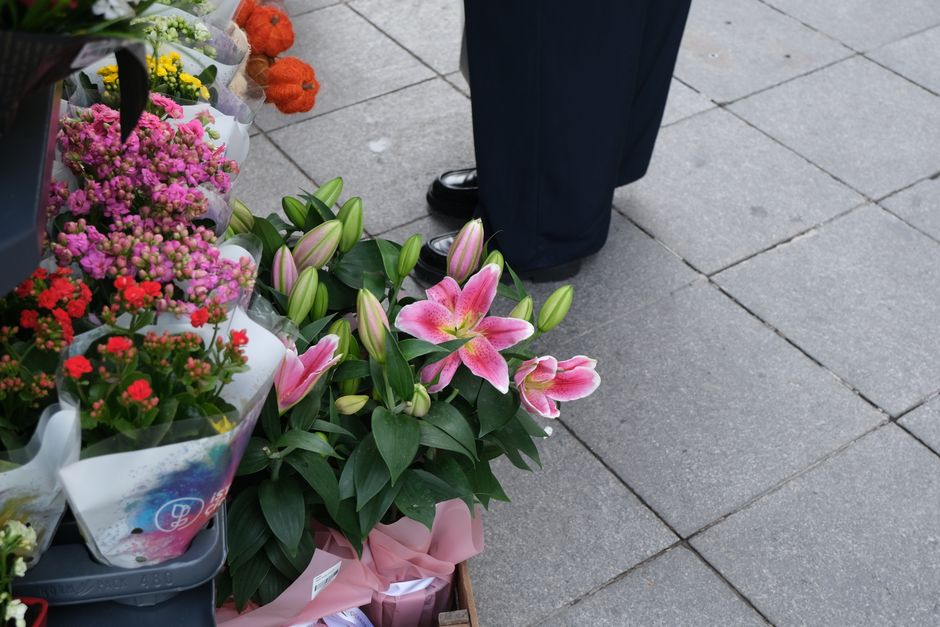
Flowers are a visual business. That means your stall, stand, or pavement display is part retail space, part public-facing street furniture. If your buckets spill beyond the space you've been given, if customers queue where they shouldn't, or if a delivery trolley blocks a narrow path, the issue becomes more than an inconvenience. It becomes a safety and licensing question.
In Hammersmith, that matters even more because footfall can change quickly through the day. A quiet morning can turn into a very busy lunch period, and what looked fine at 8:30 may feel cramped by 12:15. Pavement rules are there to stop that sort of squeeze from becoming a hazard. They also help councils, market operators, and nearby businesses keep the area usable for everyone.
For florists, the upside is simple. When you understand the permit conditions and the pavement boundaries, you can plan a display that is attractive, compliant, and easier to run. You waste less time guessing. You also reduce the chance of complaints, fines, or having to move stock at short notice. Nobody wants to drag a heavy bucket of lilies across the pavement because somebody has decided the pitch is too wide. Not ideal, to put it mildly.
Key takeaway: the rules are not just red tape. They protect access, preserve safety, and give your business a more stable base to trade from.
There is also a trust angle. Customers notice order. A tidy pitch signals care, and care is part of what people buy when they buy flowers. A well-managed display suggests fresh stock, better handling, and a florist who knows what they are doing.
How Permits and pavement rules for Hammersmith market florists Works
Most pavement trading setups work through a combination of permission, location-specific conditions, and day-to-day compliance. In plain terms, you need to know three things: where you are allowed to trade, what you are allowed to place on the pavement, and how you are expected to operate.
The exact process depends on the site. A market pitch may come with its own trading terms. A pavement cafe style arrangement, or any frontage that uses public highway space, may involve separate approval. Sometimes the permission is written into a market agreement. Sometimes it comes through a street trading or pavement licence process. The details vary, so checking the specific conditions for your location is essential.
For florists, this usually breaks down into practical rules such as:
- keeping within the allocated pitch or frontage
- not obstructing pedestrian flow
- maintaining a clear route for wheelchairs, prams, and mobility aids
- storing stock safely so it does not topple or leak
- avoiding displays that create trip hazards
- following any timing rules for setting up and packing down
One thing people sometimes miss is that a permit is rarely a "set and forget" document. Conditions can be updated. A pitch that was acceptable last summer may be tighter this year if nearby works, events, or access changes affect the street. That is why good traders keep a copy of the current terms close to hand, even if the paperwork lives in a drawer or a van glovebox somewhere.
It also helps to think in layers. The market operator may control one set of rules, the land or highway authority another, and general legal duties a third. It sounds a bit much. It can be. But if you separate those layers in your head, the system makes more sense.
Key Benefits and Practical Advantages
It may not feel glamorous, but following the right permit and pavement process gives you a few real advantages. Some are obvious, some less so.
- Better trading certainty: you know where you can stand, what you can use, and how far you can expand.
- Fewer interruptions: compliant traders are less likely to be moved on or challenged mid-shift.
- Safer customer flow: well-planned layouts reduce bottlenecks around buckets, chalkboards, and baskets.
- Cleaner presentation: a properly arranged pitch looks sharper and more inviting.
- Stronger reputation: neighbours, customers, and inspectors all notice when a florist is organised.
- Reduced risk of loss: no one wants stock damaged because the display was forced into an awkward corner.
There is also a business benefit that gets overlooked: predictable setup time. If you know exactly how your stall is meant to sit on the pavement, your staff can open faster, work more confidently, and focus on selling. That matters on rainy days, cold mornings, and those odd summer spells when the first customer arrives before you've even finished sorting the roses.
Another practical advantage is flexibility. Once you understand the framework, you can make smarter choices about display height, water containers, signage, and queuing space. That means less improvisation and fewer "we'll just squeeze it here" moments. And, let's face it, those are usually the moments that go wrong.
Who This Is For and When It Makes Sense
This guidance is useful if you fall into any of these groups:
- a florist trading from a market pitch in Hammersmith
- a flower seller using the pavement outside a shop or kiosk
- a business owner adding seasonal outdoor flower displays
- a mobile florist testing a regular pop-up location
- a market trader who wants to expand stock or display space
- a florist handling high-footfall periods such as Valentine's Day, Mother's Day, or wedding season
It also makes sense if you are trying to decide whether a setup is worth the admin. Sometimes the answer is yes, because the extra visibility is valuable. Sometimes the answer is no, because the pitch is too tight, the permit conditions are too restrictive, or the costs outweigh the trading benefit. That judgement call is part of the job.
For a brand-new florist, the main challenge is usually not the flowers. It is the operating rules. For an experienced trader, the issue is often assumption. People think they know the drill because they have traded in another borough or another market. But local conditions can differ in ways that are annoyingly specific. Different street widths, different pass-through traffic, different permission terms. Same flowers, different game.
If you're unsure whether your arrangement counts as a stall, a display, or an encroachment on the public highway, that's a sign to slow down and check before you set up. A five-minute pause can save a much longer headache later.
Step-by-Step Guidance
Here is a practical route to follow if you want to stay on the right side of the rules without overcomplicating things.
1. Confirm your trading location
Start with the exact spot. Not "near Hammersmith" in a general sense, but the precise pitch, frontage, or market location. The rules often depend on the exact place, not the postcode on its own.
2. Identify the controlling permission
Ask whether your trading space is governed by a market agreement, a pavement licence arrangement, a street trading permission, or another local approval. Sometimes more than one framework applies. That's normal.
3. Read the conditions carefully
Look for anything about opening hours, pitch size, waste handling, permitted structures, storage, and clear walkway requirements. Small details matter. A clause about "keeping access clear" can affect where you place stands, display tables, and promotional boards.
4. Map your layout before you arrive
Sketch where the buckets, signage, card payments point, and customer queue will sit. If you can, test the setup at quieter times. You will spot little bottlenecks before they become customer grumbles.
5. Plan for weather and movement
Flowers do not like being baked, blown over, or left where foot traffic can knock them. Think about wind, sun, rain, and people carrying umbrellas. London weather likes to keep everyone humble.
6. Keep walkways genuinely clear
This is the heart of most pavement rules. Clear means clear. Not "technically passable if someone walks sideways." Keep enough room for ordinary movement, mobility aids, and a natural flow of people.
7. Store safely and cleanly
Water spills, plant debris, broken ties, and packaging should be managed throughout the day. A messy edge to a pitch creates both safety risk and a poor impression.
8. Review your setup after the first busy day
Once you've traded through a proper rush, take a minute to see what actually happened. Did customers bunch up in one place? Did a display block movement? Did the card reader end up in the wrong spot? Adjust early.
That last step is a big one. Real-world trading rarely looks exactly like the plan, and that is fine. The point is not perfection. The point is a stable, workable rhythm.
Expert Tips for Better Results
Experience tends to reveal the little things that make the difference between a smooth day and a messy one. Here are a few habits worth building.
- Use lighter, modular displays: if the pitch needs to be adjusted quickly, modular crates or stands are easier to move than bulky fixed items.
- Keep a "trim and tidy" kit: cloths, ties, wipes, spare tape, and a small bin bag go a long way.
- Avoid over-stacking: tall displays look lovely until the wind or a sharp elbow gets involved.
- Leave space for natural browsing: customers buy more comfortably when they can pause without blocking others.
- Position premium stock where it can be seen safely: don't hide your best arrangements in a tight corner.
- Train staff on the rules, not just the task: everyone should know where the boundary sits and what counts as an obstruction.
One small but useful habit: take a photo of your finished setup from the customer's perspective. It can reveal awkward corners, blocked signage, or messy back-of-stall clutter that you may not notice while standing behind the display. Slightly embarrassing, yes. Very useful, also yes.
Another tip is to design with movement in mind. Flowers look beautiful when they breathe a little. Crowded, overstuffed layouts are harder to manage and can be harder to keep within permit limits. A calmer display often reads as more premium anyway.
If you run more than one type of floral service, such as walk-up sales, event orders, and local delivery, keep your pavement setup separate in your head from your delivery workflow. That separation helps you avoid turning the public space into a sorting desk. Which, frankly, happens more often than people admit.
Common Mistakes to Avoid
Most issues around permits and pavement rules are avoidable. They usually come from haste, assumptions, or a bit of "we've always done it this way." That last one is a classic.
- Assuming the permit covers more than it does: a pitch permission is not the same as permission to expand into extra pavement.
- Forgetting about customer flow: a layout that works when empty may fail badly at peak times.
- Ignoring the boundary line: buckets and crates have a habit of creeping outward through the day.
- Blocking access with signage: A-board style displays can be especially troublesome if they narrow the route.
- Not planning for deliveries: incoming stock can become a hazard if there is nowhere sensible to stage it.
- Using unstable containers: leaning vases, wobbly racks, and top-heavy arrangements can tip in wind or crowds.
- Failing to brief temporary staff: the Saturday helper may not know the rules unless you tell them.
One of the sneakiest mistakes is letting stock overflow because the day got busy. You mean to tidy it in ten minutes. Then a customer wants roses, someone else wants a mixed bouquet, and suddenly the pavement edge is a little too alive with buckets. It happens. But it still needs managing.
Another common issue is paperwork drift. A trader may have the original agreement but not the updated version, or they may have missed a condition change. That is risky. Keep your current documents where the team can actually find them, not buried in an email thread from six months ago.
Tools, Resources and Recommendations
You do not need a massive system to stay organised, but a few practical tools make life easier.
- Pitch map or layout sketch: useful for planning the exact footprint of your display.
- Printed permit summary: a short, easy-to-read version of the main conditions for daily reference.
- Measuring tape: simple, but very handy when checking display width and access space.
- Weather protection: weights, covers, and shading where appropriate.
- Cleaning kit: for spills, leaves, wrapping offcuts, and the odd muddy footprint.
- Staff checklist: a one-page opening and closing routine reduces mistakes.
If your business spans both stall trading and online orders, it can help to align your operational pages and customer promises. For example, if you promote local service through flower delivery in Hammersmith W6, your in-person trading should still feel equally organised and reliable. The customer does not separate those experiences nearly as much as businesses sometimes think they do.
In a similar way, clear trading standards and well-presented stock support your wider brand. If your pavement setup is clean and confident, customers are more likely to trust what they see online too. That's why some florists pay close attention to their broader presentation, from the market pitch to their local florist service profile and product range.
And if you are planning seasonal or occasion-led selling, it is worth thinking ahead about your offer. A strong public setup can complement specific ranges such as birthday flowers, wedding flowers, or even sympathy flowers when the occasion calls for a more discreet, calm display.
Law, Compliance, Standards, or Best Practice
Because this topic touches public space, it is sensible to be careful. The legal and licensing position can depend on the exact site, the type of trading, and the conditions attached to permission. In practical terms, that means you should not rely on general assumptions or what another trader says "should be fine."
Best practice usually includes the following:
- keeping the public highway unobstructed
- respecting the exact footprint granted to you
- following any opening, closing, and storage conditions
- maintaining safe access for pedestrians and disabled users
- ensuring electrical equipment, if used, is safe and suitable for outdoor trade
- making sure waste and packaging do not escape into walkways
If your setup includes loose items, wet surfaces, or anything that might drift in the wind, think about how a stranger would experience the space. Could they move through it without hesitation? Could a parent with a buggy pass without needing to stop? That's a useful test. It's not a legal test, but it points you in the right direction.
Best practice also means keeping records. If you have written terms, emails, or approvals, keep them together. If an issue comes up, being able to show that you acted carefully can save time and tension. Quietly, this is one of the most underrated parts of running a compliant trading pitch.
Options, Methods, or Comparison Table
Not every florist in Hammersmith will trade in the same way. Some operate from a regular market pitch. Some use pavement-facing frontage. Others focus on pre-orders and only use public-facing space for limited display. Each option has its own trade-offs.
| Trading option | Typical strengths | Typical challenges | Best fit |
|---|---|---|---|
| Market pitch | Clear trading identity, footfall, repeat customers | Pitch limits, competition for space, set operating rules | Florists who want visible, regular trading |
| Pavement display | Immediate visibility, street-level browsing, impulse sales | Access restrictions, narrow margins for error, stricter layout discipline | Shops or kiosks with suitable frontage |
| Pop-up floral setup | Flexibility, seasonal testing, lower long-term commitment | Less certainty, more setup effort, permissions may be limited | Traders testing demand or trading seasonally |
| Delivery-led model with small display | Less pressure on public space, easier stock control | Lower walk-in visibility, relies more on marketing | Businesses prioritising online and phone orders |
In many cases, the better choice is not the one with the most pavement space. It is the one that matches your workflow. A florist who sells a lot of hand-tied bouquets might need a different layout from someone focused on wedding consultations or sympathy tributes. Different business, different shape. Simple as that.
Case Study or Real-World Example
Imagine a small Hammersmith florist preparing for a Friday and Saturday market run. The first setup looked lovely in theory: two crate stacks, a central bucket display, a card stand, and a narrow walkway for browsing. In real life, though, the busiest hour brought a steady flow of people from the station, one delivery rider trying to pass, and a customer with a pram who needed a wider route than the team had allowed for.
Nothing dramatic happened. But the staff noticed the layout was tighter than it needed to be. So they made three changes the next day: they moved the premium bouquets slightly inward, flattened the sign board, and created a cleaner edge near the walkway. They also kept the delivery box off the main trading line until stock had been sorted.
The result was not some magical transformation. It was just calmer. Customers browsed more easily, the queue loosened, and the team spent less time apologising and shifting things around. That's the kind of improvement that matters most. Not flashy. Just workable.
To be fair, this is often how compliance improves in the real world. Not with a grand overhaul, but with a few small changes made after someone says, "Actually, this is a bit tight, isn't it?"
Practical Checklist
Use this as a quick pre-opening check before you trade.
- Confirm the exact pitch, frontage, or pavement area you are allowed to use
- Read the current permission terms and keep them accessible
- Measure your setup so it stays within the allowed footprint
- Leave a clear, comfortable pedestrian route
- Check for trip hazards, loose packaging, and wet patches
- Make sure signs do not block access
- Position stock so it cannot topple easily
- Brief any staff or helpers on the ground rules
- Prepare for wind, rain, and busy periods
- Keep cleaning materials and waste bags within reach
- Review the layout after peak trading time
- Store any records or approvals together in one place
If you can say yes to all of those, you are in a much stronger position. Not perfect, maybe, but properly prepared. And that counts for a lot on a busy street.
Conclusion
For Hammersmith florists, permits and pavement rules are not an admin side note. They shape how your business works in the real world. When you understand the permission attached to your pitch or frontage, keep your display within bounds, and respect pedestrian access, you create a safer, smoother trading day. You also give customers a better first impression, which in a flower business is half the battle.
The good news is that this is manageable. You do not need to become a licensing expert overnight. You just need a clear layout, the right permission for the space, and a habit of checking the details before a problem appears. Small routines add up, and in a street-facing business, those routines can make a very big difference.
If you want your flower business to feel more settled, more presentable, and easier to run, start with the practical basics: the pitch, the path, and the paperwork. Everything else tends to flow from there.
Get a free quote today and see how much you can save.
Frequently Asked Questions
Do Hammersmith market florists always need a permit?
Usually, yes, if you are trading in a market space or using public pavement area. The exact permission depends on the location and the type of trading arrangement, so it is best to check the specific terms before you set up.
What counts as a pavement obstruction for a flower stall?
Anything that blocks or narrows the pedestrian route too much can be treated as an obstruction. That includes buckets, stands, boards, boxes, and even queueing customers if the layout is too tight.
Can I place flower buckets outside my shop in Hammersmith?
Only if your arrangement is allowed under the relevant permission or licence conditions. The fact that you own the shop does not automatically mean the pavement outside is available for display.
Are market pitches and pavement licences the same thing?
No, they are usually different. A market pitch is typically governed by market rules, while pavement use is often tied to separate approval or local conditions. Sometimes both matter at once.
How much space should I leave for pedestrians?
There is no one-size-fits-all answer in this article because the exact requirement can depend on the site and the controlling permission. The safe approach is to leave a genuinely clear route for ordinary foot traffic, wheelchairs, and prams.
What happens if my display is too big?
You may be asked to move it, reduce it, or remove it. In some cases, repeated non-compliance can lead to more serious consequences, so it is better to check the footprint before opening.
Do I need different paperwork for seasonal trading?
Possibly. Seasonal or pop-up trading can still require the same basic permission framework, even if the setup is temporary. Never assume temporary means informal.
Can I use signs and boards on the pavement?
Sometimes, but they can create access issues very quickly. Signs should not block movement or make the pavement harder to use. A neat sign is helpful; a wandering one is another story.
What is the biggest mistake florists make with pavement rules?
The most common mistake is assuming the space is more flexible than it really is. People drift outward with stock, signs, or customer queuing, and that is often where the problems begin.
Should I keep records of my permit or approval?
Yes. Keep copies of your permission, any conditions, and any updates together so you can refer to them quickly. It helps if there is a question later.
Do weather conditions affect pavement trading?
Absolutely. Wind, rain, and heat can all change how safe and stable your display is. Flowers may look lovely in the morning and slightly dramatic by mid-afternoon if the wind picks up.
When should I review my setup again?
Review it after your first busy trading day, and then whenever the space, customer flow, or permission conditions change. A layout that worked in theory may need a quick adjustment in practice.
Is the advice here enough to replace official local guidance?
No. This article is a practical guide, but the exact rules depend on the specific site and the current permission terms. Always check the local requirements that apply to your pitch or pavement area.


